
Past CE Events
Equitable Study Design in Aging and Dementia Research: Purpose, Process, and Outcomes
September 23, 2024
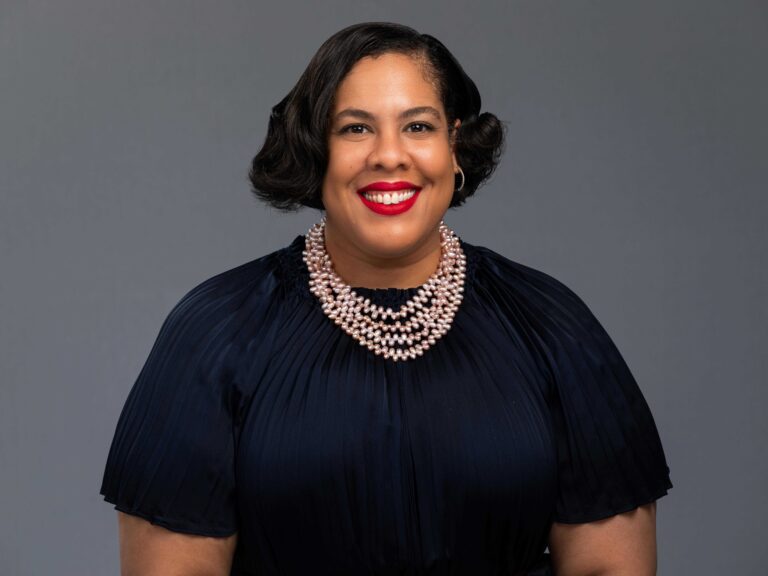
Crystal M Glover, PhD
Speaker Bio: Dr. Crystal M. Glover is an applied social psychologist, mixed methodologist, and health equity in aging researcher at the Rush Alzheimer’s Disease Center and an Associate Professor of Psychiatry and Behavioral Sciences (and) Neurological Sciences in Rush Medical College. She also leads the Outreach, Recruitment, and Engagement Core at the Rush Alzheimer’s Disease Center.
Dr. Glover focuses her research and related efforts on understanding and facilitating cognitive and healthy aging across all demographic groups but with a special concentration on collaborating with and inclusion of members of African American/Black and Hispanic/Latino communities that have been inequitably included and traditionally understudied in aging research.
Description: The field of aging and dementia faces two intertwined issues – disparities in dementia risk, particularly among Black and Latino adults, and the severe under-inclusion of these very populations in related research. As biomarkers bring our field toward new disease-modifying treatments, these advancements are threatened by the above two issues. This CE talk will identify and further discuss these two critical issues in aging and dementia research, including related consequences. Furthermore, the speaker will outline two enmeshed ways forward – diversity in research participation and methodological approaches. Here, the speaker will outline the role of social cognitive process, mixed methods approaches, and how these two elements contribute to our field. Afterward, we will discuss a mixed methods research study conceptualized, conducted, and implemented by the speaker and her team. We will reserve plenty of time for discussion!
Learning Objectives:
- Identify two critical issues in aging and Alzheimer’s disease and related dementias (ADRD) research.
- Discuss consequences and ways forward in ADRD biomarker research
- Develop strategies based on a presented case study regarding PET brain imaging for research.
- Understand basic conceptual principles and methodological approaches associated with social cognitive processes.
Download Flyer
Registration Information
Registrants receive 1.5 CE credits for 75 minutes presentation attendance and 15 minutes of Q&A to follow. To earn 1.5 CE credits, attendees must register for a CE ticket and complete the evaluation form that will be emailed after the event. SBN did not receive commercial support for this program.
The target audience for this presentation includes students, trainees, academic faculty, clinicians, and professionals interested in the fields of psychology and clinical neuropsychology. Community members are also welcomed. The instructional level for this talk is intermediate and is geared toward individuals with an intermediate/advanced background in neuropsychology.
CE Pricing: SBN Members $30 | Non-Members $35
No CE Pricing: SBN Members $20 |. Non-Members $25
Students/Trainees: Free!
By participating in our events and programs, you agree to abide by SBN’s Code of Conduct policy. Thank you for helping us create a positive and respectful environment for everyone.
Afrofuturism as a Praxis for Community Knowledge Co-production and Equity in Black Women’s Cognitive Aging
October 3, 2024
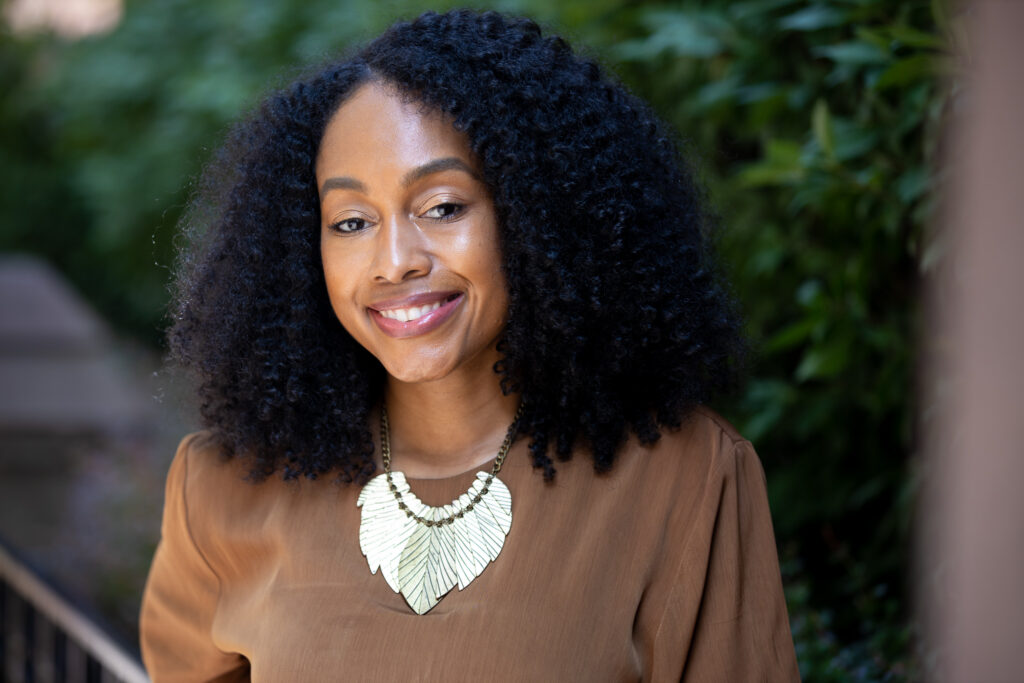
Tanisha Hill-Jarrett, PhD
Speaker Bio: Dr. Tanisha Hill-Jarrett is a neuropsychologist, Afrofuturist, and an assistant professor of neurology at the UCSF Memory and Aging Center. Her research applies intersectionality theory to understand how psychosocial stressors and structural racism and sexism impact Black women’s cognitive aging and confer risk for Alzheimer’s disease and related dementias. She is additionally interested in improving the measurement and tracking of adverse social exposures (e.g., structural racism and sexism) to better understand how they shape cognitive aging trajectories and association with incident Alzheimer’s disease and related dementia among Black older adults. As a scientist and clinician, she is committed to making wellness and brain health accessible and participates in the Memory and Aging Center Black/African American Community Outreach Team. Dr. Hill-Jarrett uses Afrofuturism in her community-based work with Black women as a framework to create counternarratives and reimagine the future through a lens of hope. She seeks to incorporate Afrofuturism as a tool for brain health among community-dwelling Black elders and a praxis that drives social change and centers aging Black women.
Description: Structural and social exposures across the lifecourse are important root causes of racial and gender disparities in Alzheimer’s disease and related dementias (ADRD). Black women experience health threatening social exposures that accumulate across the lifecourse and may play an important role in late-life cognition and ADRD risk. There is a growing evidence base linking risk to Black women’s intersectional oppressions (cross cutting racism and sexism) and intersectional invisibility (the erasure of Black women’s contributions). To date, limited culturally relevant intervention and programming has focused on aging Black women and social issues relevant to their lived experiences.
This CE talk will provide an overview of the state of cognitive aging among Black women. The speaker will introduce Afrofuturism as a culturally-informed approach to engagement and research with community-dwelling Black women elders. The presentation will review the relevance of Afrofuturism as a community engagement approach that supports research recruitment and knowledge-co production. Finally, this presentation will discuss the potential role of Afrofuturism in buffering against adverse social exposures and promoting healthy cognitive aging. The presentation will conclude with an overview of the speaker’s implementation of a community workshop series for Black women that merges evidence-based frameworks of Afrofuturism and radical healing for People of Color and Indigenous individuals.
Learning Objectives:
- Describe the social and structural determinants of Black women’s cognitive aging.
- Define Afrofuturism and its relevance to the co-construction of knowledge with Black women elders.
- Discuss potential mechanisms of Afrofuturism and healthy cognitive aging.
- Name two elements of equitable community-based research design
Download Flyer
Registration Information
Registrants receive 1.5 CE credits for 75 minutes presentation attendance and 15 minutes of Q&A to follow. To earn 1.5 CE credits, attendees must register for a CE ticket and complete the evaluation form that will be emailed after the event. SBN did not receive commercial support for this program.
The target audience for this presentation includes students, trainees, academic faculty, clinicians, and professionals interested in the fields of psychology and clinical neuropsychology. Community members are also welcomed. The instructional level for this talk is intermediate and is geared toward individuals with an intermediate/advanced background in neuropsychology.
CE Pricing: SBN Members $30 | Non-Members $35
No CE Pricing: SBN Members $20 |. Non-Members $25
Students/Trainees: Free!
By participating in our events and programs, you agree to abide by SBN’s Code of Conduct policy. Thank you for helping us create a positive and respectful environment for everyone.
Vascular Contributions to Depression in Black Older Adults: Implications for Brain Health Equity
October 28, 2024

Vonetta Dotson, PhD
Speaker Bio: Dr. Vonetta Dotson is a Professor of Psychology and Gerontology at Georgia State University, Senior Project Scientist at NASA, and Founder and President of CerebroFit Integrated Brain Health. She is a fellow of the American Psychological Association’s Society for Clinical Neuropsychology. She completed her doctoral training in clinical psychology at the University of Florida with a specialization in neuropsychology and a certificate in gerontology. She completed her postdoctoral training at the National Institute on Aging Intramural Research Program. Her research and clinical activities focus on positive and negative modifiers of brain health, including the intersection of depression with cognitive and brain aging, and the impact of health disparities on brain health. Her research is funded by the National Institutes of Health, National Science Foundation, Alzheimer’s Association, and private foundations. Her start-up, CerebroFit, applies her expertise in brain health to the community, providing services to empower people to live a brain-healthy lifestyle. Her book, Keep Your Wits about You: The Science of Brain Maintenance as You Age, also offers science-based facts and practical tools to help readers develop healthy lifestyles to optimize their brain health.
Description: Despite well-established racial disparities in vascular disease and vascular risk factors, Black older adults are poorly represented in studies of vascular depression. This subtype of late-life depression is attributed to disruption of mood-related fronto-subsubcortical circuits due to cerebrovascular disease. Vascular depression is especially treatment resistant and is associated with high white matter lesion burden, executive dysfunction, and disability. This presentation will summarize the neurobiological and social factors that place Black older adults at risk for vascular depression, including the role of race-related stress in vascular and inflammatory changes that can lead to both depression and cognitive impairment. Strategies for reducing health disparities in vascular depression will also be discussed.
Learning Objectives
- Describe vascular depression and its sequelae.
- Explain why Black older adults are vulnerable to vascular depression.
- List at least three strategies for reducing health disparities in vascular depression.
Download Flyer
Registration Information
Registrants receive 1.5 CE credits for 75 minutes presentation attendance and 15 minutes of Q&A to follow. To earn 1.5 CE credits, attendees must register for a CE ticket and complete the evaluation form that will be emailed after the event. SBN did not receive commercial support for this program.
The target audience for this presentation includes students, trainees, academic faculty, clinicians, and professionals interested in the fields of psychology and clinical neuropsychology. Community members are also welcomed. The instructional level for this talk is intermediate and is geared toward individuals with an intermediate/advanced background in neuropsychology.
CE Pricing: SBN Members $30 | Non-Members $35
No CE Pricing: SBN Members $20 |. Non-Members $25
Students/Trainees: Free!
By participating in our events and programs, you agree to abide by SBN’s Code of Conduct policy. Thank you for helping us create a positive and respectful environment for everyone.